5 examples
Japan by Season
Japan's seasonal conditions vary sharply by latitude, elevation and coastal exposure, so a thoughtful journey follows current weather and local operations rather than a single nationwide calendar.

These guides connect destinations across several regions through stable travel themes. Use them to compare possibilities, then check current access, event and seasonal details with the official sources linked in each guide.
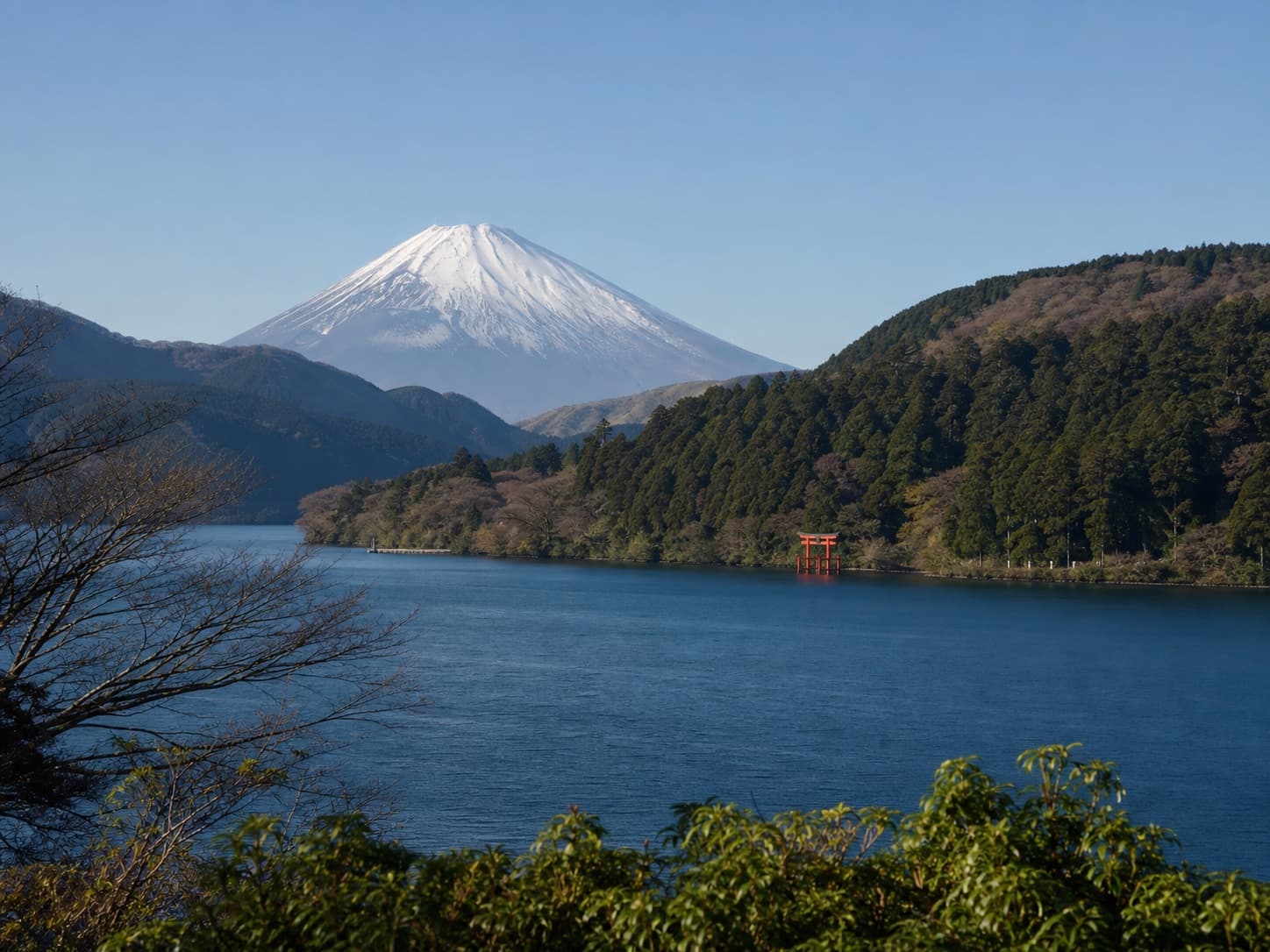
Each theme includes examples, practical caveats and links back to the destinations and routes that support further planning.
5 examples
Japan's seasonal conditions vary sharply by latitude, elevation and coastal exposure, so a thoughtful journey follows current weather and local operations rather than a single nationwide calendar.
5 examples
Accessible travel depends on the complete chain between accommodation, stations, vehicles, restrooms, venue entrances and assistance, not on a single step-free facility viewed in isolation.
5 examples
A Japan golf journey starts with one regional base and a selected club, then verifies visitor eligibility, reservations, equipment, dress guidance, weather and the exact arrival instructions with that operator.
5 examples
Spring flowers progress unevenly across Japan and change with each year's weather, so use current official forecasts, keep alternate gardens and avoid fixed bloom promises.
5 examples
Autumn colour moves across Japan according to latitude, elevation and weather, making a flexible regional route more credible than a fixed nationwide foliage date.
5 examples
Snow-country travel rewards conservative pacing, warm preparation and live transport checks, because road, rail, flight and pedestrian conditions can change together.
5 examples
Art travel around the Setouchi region depends on ferries, island buses, walking and museum calendars, with mainland historic districts adding useful depth and flexibility.
5 examples
Screen-inspired travel stays grounded through public museums, official walking routes and present-day communities, with current exhibitions and local conduct taking priority over recreating a fictional image.
5 examples
Japan's national parks often combine public gateways with seasonal roads, trails, buses and visitor rules, so every mountain route needs current official access checks.
7 examples
Historic districts and sacred landscapes are experienced mainly on foot, so transport should support respectful pacing, selective stops and local visitor rules.
8 examples
Rural travel is strongest when it respects residents, limited transport and local capacity, selecting a coherent area instead of presenting remoteness as unrestricted access.
9 examples
Festival and venue days can change roads, station flow, parking and local timetables, while large campuses may have several halls and entrances. The organizer, venue and public transport operator should anchor the plan from accommodation address to the correct door.
6 examples
Regional food and craft journeys become more meaningful when they connect products with landscape, history and working communities while relying on verified visitor information.
Bloom timing, autumn colour, snow conditions and event schedules vary. Confirm the current year through the linked public source.
Operating details, traffic controls and local restrictions can change. A private vehicle does not create special or guaranteed access.
Send the route, date, group size, luggage and priorities. JPN Ride reviews feasibility and availability before any option is confirmed in writing.