
Explore Japan by region

Start broad with one of Japan's eight regions, then move into a prefecture guide, a route idea or a seasonal planning theme. These pages help shape a realistic journey without treating any sequence as a fixed package.

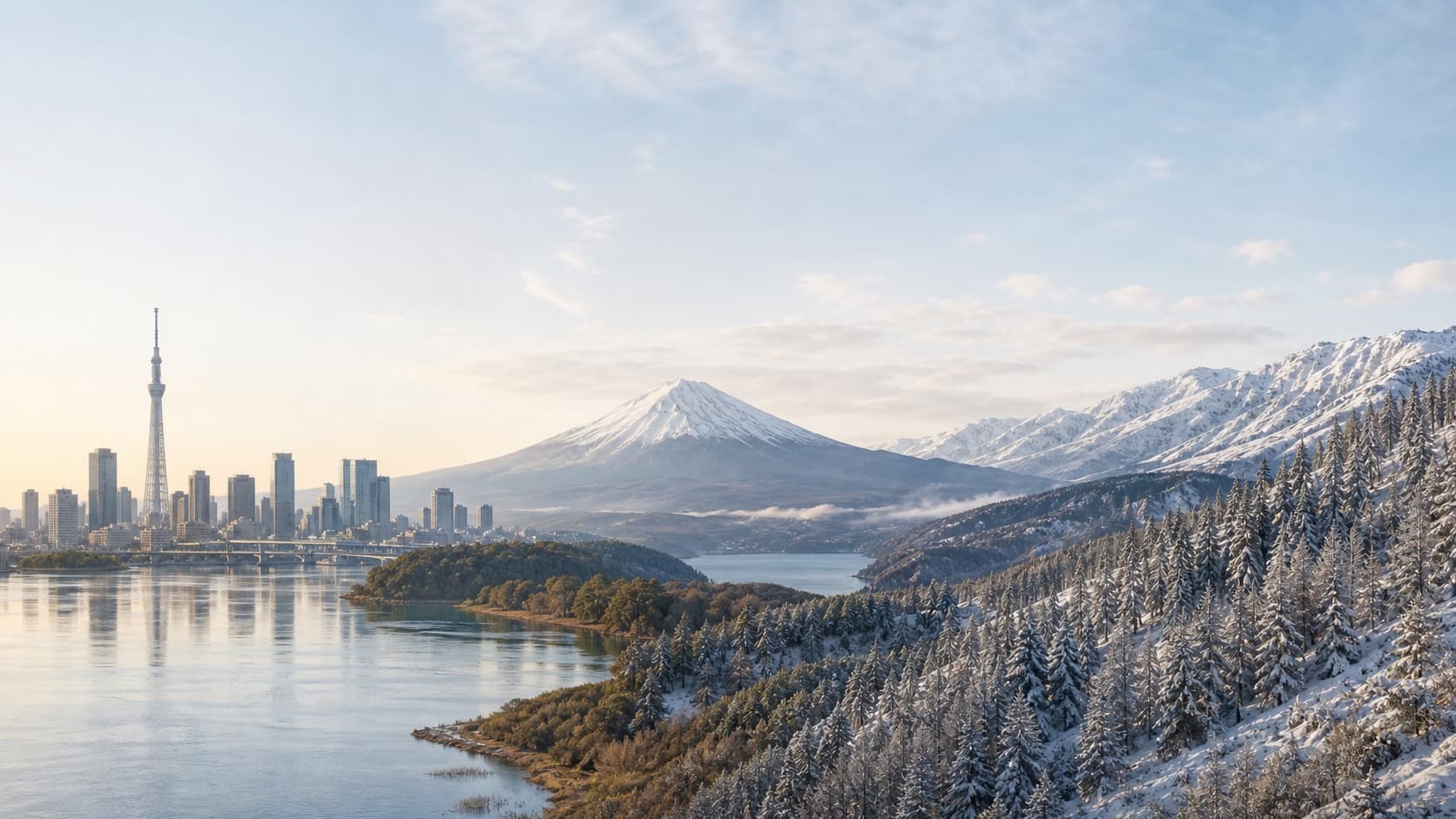
Panorama with a city skyline, Mount Fuji and snowy mountains

Eight useful planning regions

Regional pages explain the broad travel character, major prefecture choices and practical questions to resolve next. These eight groups are JPN Ride's navigation structure for trip planning, not a reproduction of one official regional classification.

1 prefectures

Hokkaido

Hokkaido combines major city gateways with broad agricultural landscapes, port heritage, volcanic lakes and mountain districts. Sapporo, Otaru, Furano, Biei and Hakodate offer different travel rhythms, so a regional plan should be built around current rail, flight and road conditions rather than a single circuit.

6 prefectures

Tohoku

Tohoku stretches from Pacific and Sea of Japan coasts to inland basins and volcanic ranges. Its six prefectures connect archaeological sites, castle towns, temple landscapes, hot-spring districts and working regional cities, with Sendai serving as an important southern gateway.

7 prefectures

Kanto

Kanto places Tokyo's dense rail network beside temple cities, port districts, coastal peninsulas, mountain resorts and science or craft towns. The seven prefectures support both car-free city exploration and carefully planned excursions that begin from Tokyo, Yokohama, Narita or other regional hubs.

9 prefectures

Chubu

Chubu spans the Sea of Japan coast, the Japanese Alps, the Fuji area and the Pacific urban corridor. Nine prefectures bring together castle and post towns, alpine routes, craft districts, tea landscapes, island connections and major gateways at Nagoya, Niigata, Kanazawa and Shizuoka.

7 prefectures

Kansai

Kansai combines historic capitals, active port and commercial cities, Lake Biwa, the Kii Peninsula and inland castle or hot-spring districts. Seven prefectures support journeys that pair Kyoto, Osaka and Nara with quieter coast, pilgrimage, craft and rural landscapes.

5 prefectures

Chugoku

Chugoku runs between the Sea of Japan and the Seto Inland Sea, linking dunes, shrine and castle towns, historic merchant districts, peace heritage, island gateways and limestone landscapes. Hiroshima and Okayama are strong rail anchors, while northern and western areas need more deliberate sequencing.

4 prefectures

Shikoku

Shikoku's four prefectures combine pilgrimage heritage, inland valleys, Seto Inland Sea islands, castle towns and a Pacific coast shaped by rivers and capes. Takamatsu, Matsuyama, Tokushima and Kochi provide distinct gateways, while bridges and ferries connect selected approaches from Honshu and Kyushu.

8 prefectures

Kyushu & Okinawa

Kyushu and Okinawa connect volcanic highlands, hot-spring towns, ceramics districts, historic ports, southern coasts and subtropical island culture. Fukuoka, Nagasaki, Kumamoto, Kagoshima and Naha form different gateway systems, so island and mainland journeys should be planned as separate transport contexts.

All 47 prefectures

The directory groups every published prefecture guide by region and keeps each destination reachable through ordinary links.

47

Prefecture guides with highlights, route ideas, gateway context, seasonal notes and official planning sources.

Browse the prefecture directory

Selected journey ideas

Compare sequences and planning factors before deciding how each part of a journey should work.

Tokyo to Mount Fuji and Hakone

Connect Tokyo with the Fuji Five Lakes and Hakone in one mountain-focused route, balancing lakeside viewpoints, volcanic scenery and museum or hot-spring-town stops.

Tokyo to Nikko

Pair Tokyo with Nikko's World Heritage precinct and the higher landscapes around Lake Chuzenji, creating a route that joins cultural detail with national-park scenery.

Tokyo to Kamakura and Enoshima

Move from Tokyo to Kamakura's temple districts and the coast at Enoshima, combining compact heritage walks, local rail options and open seaside scenery.

Tokyo to Fuji Five Lakes

Focus a Tokyo departure on the Fuji Five Lakes, selecting a small group of lakeside and village viewpoints instead of trying to cover the entire area at once.

View all route ideas

Plan by season and interest

Use stable themes to compare regions while checking current access and seasonal information with official sources.

Japan by Season

Japan's seasonal conditions vary sharply by latitude, elevation and coastal exposure, so a thoughtful journey follows current weather and local operations rather than a single nationwide calendar.

Accessible Travel Planning in Japan

Accessible travel depends on the complete chain between accommodation, stations, vehicles, restrooms, venue entrances and assistance, not on a single step-free facility viewed in isolation.

Golf Travel Planning in Japan

A Japan golf journey starts with one regional base and a selected club, then verifies visitor eligibility, reservations, equipment, dress guidance, weather and the exact arrival instructions with that operator.

Cherry Blossoms and Spring Flowers

Spring flowers progress unevenly across Japan and change with each year's weather, so use current official forecasts, keep alternate gardens and avoid fixed bloom promises.

View all travel guides

Turn destination research into a clear request

Send the route, date, group size, luggage and priorities. JPN Ride reviews feasibility and availability before any option is confirmed in writing.